
Life Moves in Cycles
Life is often not a straight line — it moves in cycles, repeating patterns of growth, challenge, release, and renewal. Sometimes we feel like we are moving forward. Other times, it can feel like we are back in a familiar situation again, facing the same emotions or lessons in a slightly different form. But this repetition is not a mistake — it’s how life teaches depth.
Each cycle carries a rhythm:
What begins must grow.
What grows must be tested.
What is tested must sometimes be released.
And, what is released eventually makes space for something new.
When we start to notice these patterns, life begins to make more sense. We can see that difficult moments are not random, and neither are periods of clarity or peace. They are part of a larger unfolding process.
This is where The Fool’s Journey in tarot becomes a power mirror.
The Major Arcana doesn’t just tell a story — it reflects these natural cycles of life. It shows how we move through beginnings, growth, challenge, endings, and renewal again and again, each time with a little more awareness than before.
And when we begin to recognise these patterns, something shifts.
We stop seeing life as something that is happening to us, and start seeing it as something we are moving through.
A cycle.
A rhythm.
A continuous unfolding of experience and understanding.

What is The Fool’s Journey?
To understand The Fool’s Journey, it helps to first understand the Major Arcana.
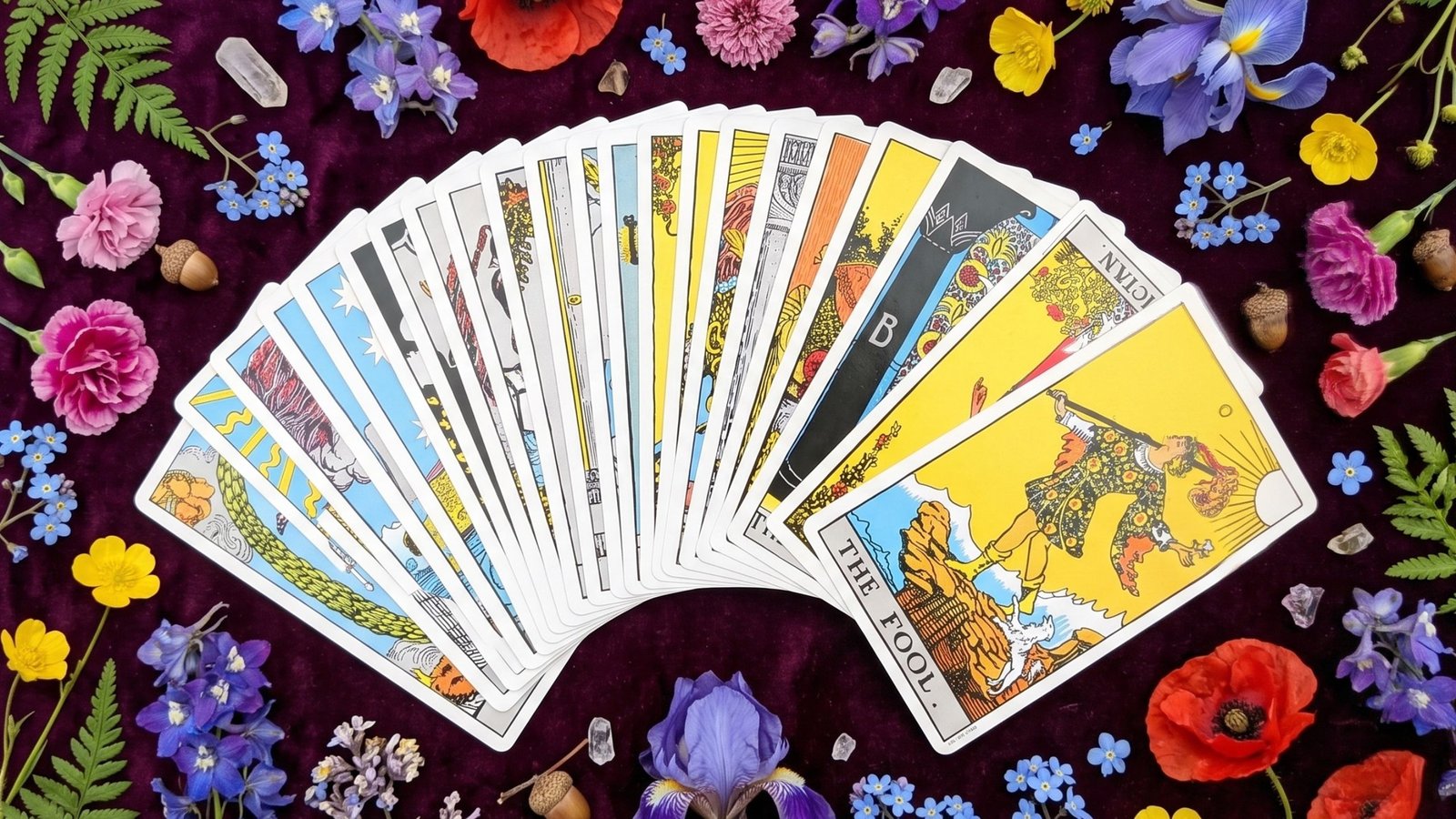
The Major Arcana is the section of the tarot deck that made up of 22 cards:
The Fool (0)
The Magician (1)
The High Priestess (2)
The Empress (3)
The Emperor (4)
The Hierophant (5)
The Lovers (6)
The Chariot (7)
Strength (8)
The Hermit (9)
Wheel of Fortune (10)
Justice (11)
The Hanged Man (12)
Death (13)
Temperance (14)
The Devil (15)
The Tower (16)
The Star (17)
The Moon (18)
The Sun (19)
Judgement (20)
The World (21)
Unlike the Minor Arcana, which reflects day-to-day experiences, the Major Arcana represents the bigger patterns of life: identity, change, challenge, growth, and transformation.
These cards are not just “events” — they are stages of inner development. They tell a symbolic story of how a person evolves over time, both spiritually and emotionally.
And that story is what we call The Fool’s Journey.
At the beginning, we meet The Fool — card number 0. He stands at the edge of something unknown, open and unguarded. He doesn’t have certainty, but he has curiosity. And that is enough to begin.
As he steps forward, each Major Arcana card represents something we all encounter in real life:
Moments where we discover our potential and agency.
Moments where we are asked to trust our intuition.
Moments where we build identity, relationships, and structure.
Moments where we face challenge, uncertainty, and change.
Moments where we are forced to let go of what no longer works.
Moments where we begin to heal, re-balance, and see clearly again.
And finally, moments where we integrate everything we’ve learned and reach a sense of wholeness.
This is why The Fool’s Journey feels so deeply human.
Because it isn’t really about a character walking through cards — it’s about us moving through life.
We all begin somewhere.
We all grow through experience.
We all face turning points that ask us to change, release, or trust more deeply than before.
And just like The Fool, we don’t need to have everything figured out to begin. We only need to take the next step.

The Soul’s Seasons
For me, The Fool’s Journey reflects a cycle of “soul seasons” — a natural rhythm of life where each phase carries its own lessons, challenges, and growth. Just like the natural seasons of the year, these phases are not random — they each serve a purpose, and they arrive exactly when they are needed.
There are times in life that feel like spring — full of beginnings, possibility, and quiet excitement. You may not have clarity yet, but there is a sense that something new is unfolding.
Then come seasons of growth, like summer — where energy is focused on building, creating, and establishing something more solid. This can feel productive and purposeful, but it also asks for effort, consistency, and commitment.
Inevitably, there are seasons that feel autumn — where things begin to shift. You may be asked to release, to let go, or to face changes you didn’t expect. These moments can feel uncomfortable, but they are part of a deeper rebalancing.
And then there are winter seasons — quieter, more introspective phases where everything slow down. These are the moments of reflection, healing, and internal transformation. Even if it feels still on the surface, something important is happening beneath.
What’s important to remember is that no season lasts forever.
We are not meant to stay in constant growth, nor are we meant to stay in stillness. Each phase prepares us for the next. And then, it is only in hindsight that we realise how necessary each season truly was.
The Fool’s Journey mirrors this rhythm perfectly. It reminds us that life is not about reaching a final destination, but about moving through cycles of experience that shape who we are becoming.
Tarot Cards That Mirror Each Stage of Life
Each season of The Fool’s Journey carries layers — and within each card, there is a more personal, lived experience waiting to be understood.
On the surface, each card represents a theme — a beginning, a challenge, a shift, a moment of clarity. But beneath that, there are subtler emotional and psychological experiences that make the journey feel real.
But we don’t just move through life stages — we feel them.
A beginning can feel excited… and uncertain.
Growth can feel fulfilling… and demanding.
Change can feel necessary… and uncomfortable.
Letting go can feel freeing… and painful at the same time.
This is where the depth of the tarot reveals itself.
Each card holds multiple layers of meaning — not fixed, but evolving depending on where you are in your life. The same card can feel completely different at different times, because you are different.
The Fool might feel like freedom in one moment, and fear in another.
The Tower might feel like chaos at first, and clarity later.
The Star might feel distant when you’re struggling, and deeply comforting when you’re ready to receive it.
This is why tarot is not just something you read — it’s something you experience.
The Fool’s Journey isn’t a distant story. It becomes personal the moment you recognise yourself in it. And within each card, there is always more to uncover — not because the meaning is unclear, but because your understanding continues to deepen as you do.
Let’s move through the journey together — card by card, season by season — and explore what each stage might be revealing within your own life.
The Season of Beginnings
This is where everything starts. Like The Fool, we step into something new — a new path, identity, or chapter. There is excitement here, but also uncertainty. We don’t yet know where it will lead, and that’s part of the magic.
The Fool (0) — The moment before the leap.
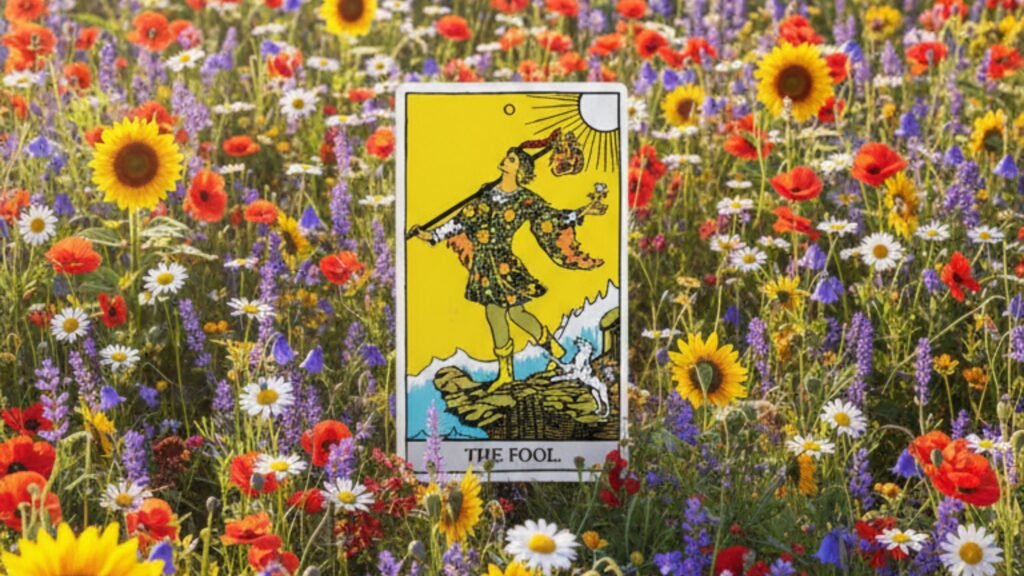
That feeling when something is calling you forward — a new path, an idea, a change — and you can’t fully explain why, only that it feels important. Sometimes it’s quiet. A gentle nudge you keep returning to. Other times it’s louder — a restlessness, a sense that you can’t stay where you are any longer.
The Fool lives in that space.
It’s the edge between the known and the unknown. The point where logic can only take you so far, and something deeper has to lead. There may be excitement here, but also doubt. Questions. “What if it doesn’t work?” “What if I’m not ready?”
And yet, The Fool doesn’t wait for certainty.
It asks for trust — not in having all the answers, but in your willingness to begin anyway. It reminds you that every journey, no matter how meaningful, starts in exactly this place: with a single step into something you cannot fully see yet.
Not reckless. Not naïve. Just open enough to begin.
The Magician (1) — Realising you already have what you need.
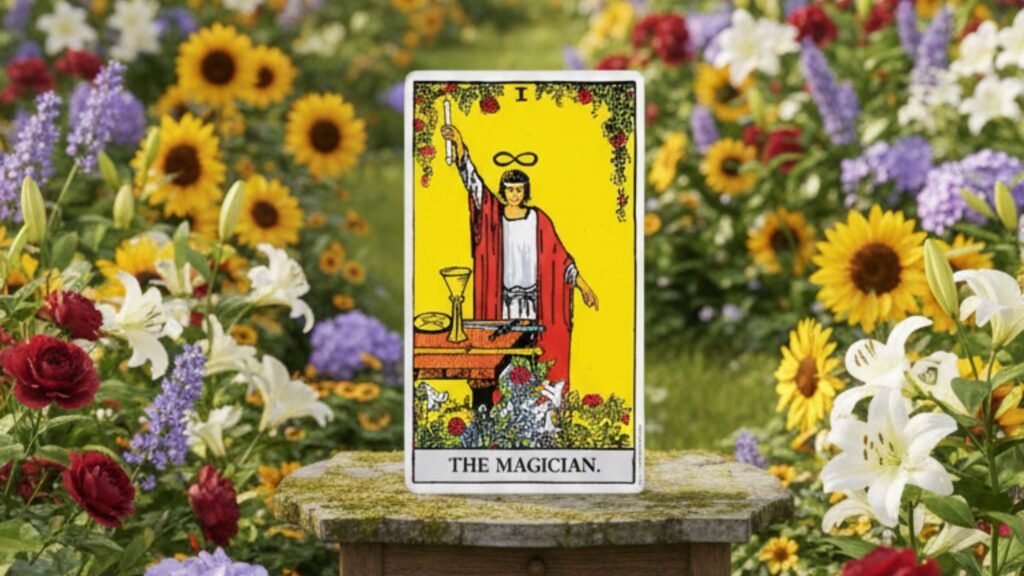
After the leap of The Fool, The Magician is the moment you begin to ground that energy into something real. It’s the shift from wondering “Can I?” to recognising “I can.”
This card speak to the resources you already hold — your skills, your ideas, your voice, your ability to create change. Not something you need to go out and find, but something you begin to claim.
There’s a sense of focus here. Where The Fool is open and expansive, The Magician channels that energy with intention. It asks:
What do you want to create?
What are you ready to begin?
Because potential on its own is only the beginning. The Magician is where potential becomes directed. This is where you start taking action — even small steps — that bring your vision into form.
Speaking the idea out loud.
Making the plan.
Starting before you feel completely ready.
Sometimes The Magician shows up when you’re doubting yourself, as a reminder that you may be overlooking your own capabilities. That what you’re seeking externally already exists within you.
It’s not about having everything perfectly figured out. It’s about recognising that you are not starting from nothing. You are starting from experience, from instinct, from possibility.
And from here — you begin to shape something real.
The High Priestess (2) — A pause within the beginning.
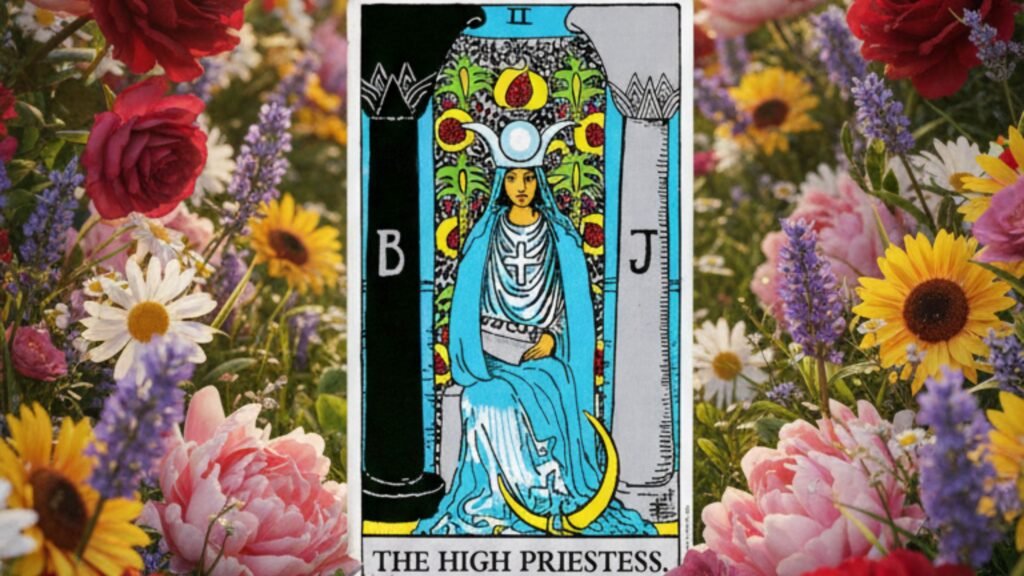
Just as momentum starts to build, The High Priestess invites you to slow down. Not everything is meant to be acted on immediately. Not every answer is found by doing more. Some things reveal themselves only in stillness.
This card lives in the quiet space beneath the surface — where intuition speaks softly, and clarity doesn’t come from logic, but from feeling. It’s the moment where you turn inward and ask: “What do I already know, beneath the noise?”
There may be a sense that something is unfolding, but not yet ready to be fully seen or understood. And that’s okay. The High Priestess teaches that not all timing is external — some things move in their own rhythm.
It can also highlight the importance of trust.
Trusting your instincts.
Trusting your inner voice.
Trusting what doesn’t always make sense on paper, but feels true within you.
In a word that often pushes for quick decisions and constant action, this card is a gentle reminder:
There is wisdom in waiting.
There is power in observing.
And sometimes, the most important step forward… is to pause long enough to truly listen.
The Season of Building
As we move forward, we begin to shape our world. We learn who we are, what we value, and how to create stability. This is where we develop confidence, relationships, and direction.
The Empress (3) — Growth that feels natural.
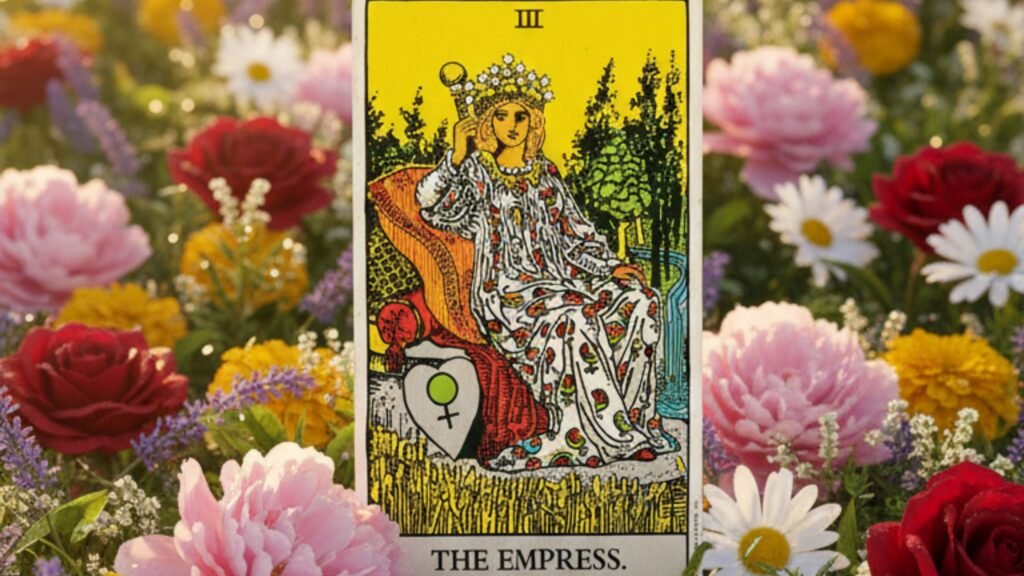
After the inner awareness of The High Priestess, The Empress brings that energy into the physical world — into something you can begin to nurture, hold, and care for.
This is the stage where things start to grow.
Not through force or pressure, but through attention, patience, and presence. The Empress reminds you that not everything need to be pushed into existence. Some things are meant to be cultivated — gently, consistently, and with care.
This could be a relationship that deepen over time. A creative idea that slowly takes shape. Or even your relationship with yourself — learning to be softer, kinder, more supportive from within.
There is a sense of trust here.
Trusting that what you are nurturing will unfold in its own timing.
Trusting that growth is happening, even if you can’t see the full results yet.
It also speaks to receiving.
Allowing yourself to receive support, love, inspiration, and abundance — without feeling like you always have to be the one doing everything alone.
The Empress doesn’t rush the process. She understands that real growth is organic. It has its own rhythm. Its own pace. And your role is not to control it — but to care for it, tend to it, and allow it to become what it’s meant to be.
The Emperor (4) — Creating structure.
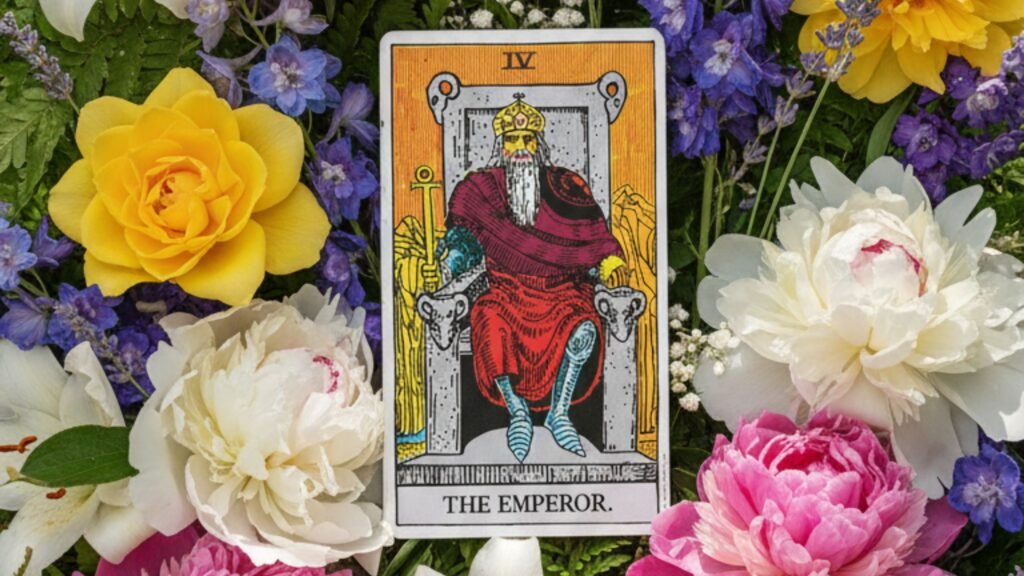
Where The Empress nurtures growth, The Emperor gives it form. This is the stage where things become more defined. What once felt open and flowing now asks for direction, boundaries, and a sense of order.
It’s no longer just about what could be — it’s about what you are willing to commit to building.
The Emperor brings discipline into the picture.
Showing up consistently.
Making decisions that support long-term stability.
Setting boundaries that protect what you are creating.
This can sometimes feel restrictive at first — especially after the softness of The Empress. But this structure is what allows something to truly last. Without it, things can remain ideas, or drift without direction.
The Emperor asks:
What are you building?
What foundations are you putting in place?
What are you no longer willing to compromise on?
There is also a deeper layer hear around authority.
Stepping into your own leadership.
Trusting your ability to make decisions.
Owning your space without needing external validation.
This is not about control for the sake of control. It’s about creating something solid enough to hold what you are growing. Something that can support you — not just now, but in the long run.
The Hierophant (5) — Learning from tradition or guidance.
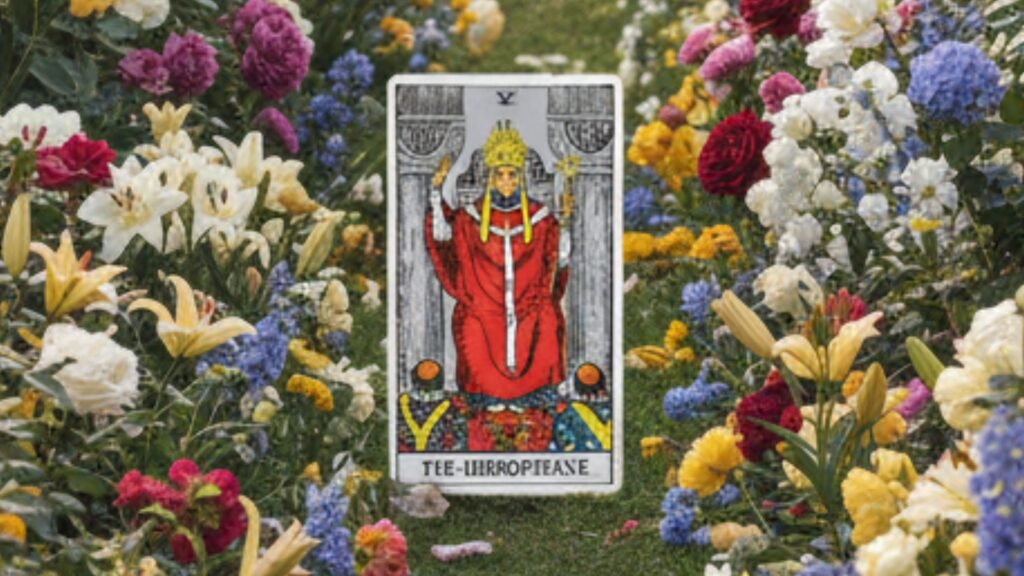
After building your own structure with The Emperor, The Hierophant introduces something external — the wisdom that already exists beyond you.
This is where learning deepens.
It may come through teachers, mentors, spiritual practices, cultural traditions, or established systems that have been passed down over time. There is value here in not having to figure everything out alone.
The Hierophant asks you to consider: What can I learn from those who have walked this path before me?
There is a sense of grounding in this card. Rituals, routines, belief systems — these can offer stability and meaning, especially when you are still shaping your own understanding of the world.
But there is also a quiet invitation beneath the surface. Not everything you are taught is meant to be followed blindly. This stage is not just about receiving knowledge — it’s about engaging with it.
Questioning it.
Understanding it.
Deciding what resonates and what doesn’t.
Because while tradition can guide you, your path is still your own.
The Hierophant is where you begin to bridge the external and the internal — taking what you’ve been given, and slowly shaping it into something that feels true for you.
The Lovers (6) — A meaningful choice.
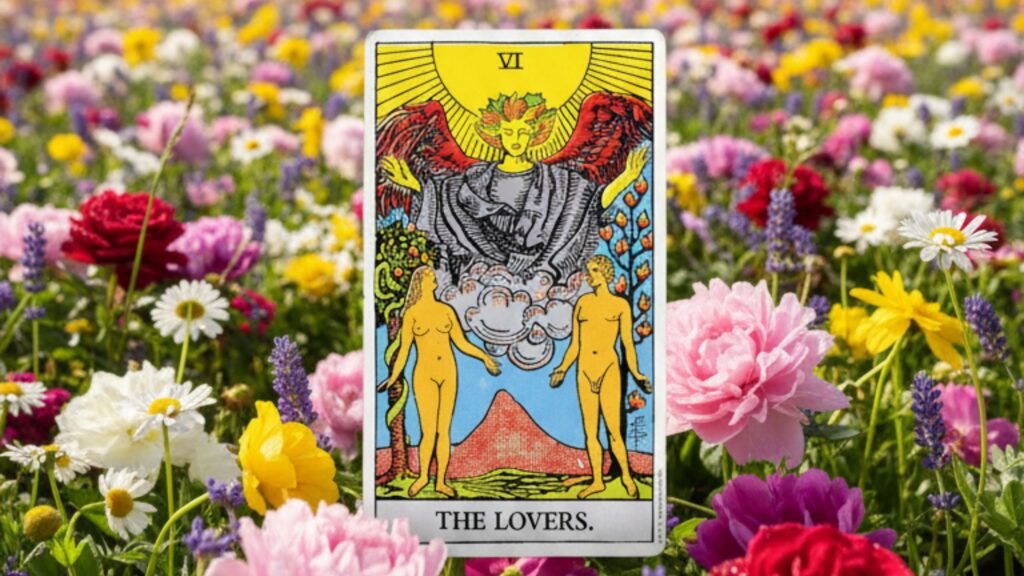
Often seen as a card of love and connection, The Lovers goes deeper than relationships alone. At its cord, it is about alignment.
This is the moment where a choice presents itself — not always easy, not always obvious — but significantly enough to shape your path moving forward.
It’s the kind of decision that asks:
What truly feels right for me?
What aligns with who I am becoming?
Sometimes this shows up through relationships — choosing connection, vulnerability, or commitment. Other times, it’s a crossroads within yourself.
A choice between comfort and growth.
Between what is familiar and what feels true.
Between expectations and authenticity.
What makes this card powerful is that it’s not just about the decision itself — it’s about integrity.
Choosing in a way that honours your values.
Choosing not from fear, but from clarity.
Choosing what brings you closer to your true self, even if it feels uncertain.
There can be tension here. Because aligned choices don’t always feel easy in the moment. They may ask you to let go of something else. To trust yourself more deeply than before.
But The Lovers reminds you: Every meaningful path is shaped by the choices you are willing to stand behind. And when you choose in alignment, something within you settles — even if the outcome is still unknown.
The Season of Challenge
Life begins to test us. We face obstacles, unexpected change, and moments that push us out of our comfort zone. These experiences can feel difficult, but they are often the catalysts for deeper transformation.
The Chariot (7) — Pushing forward despite obstacles.
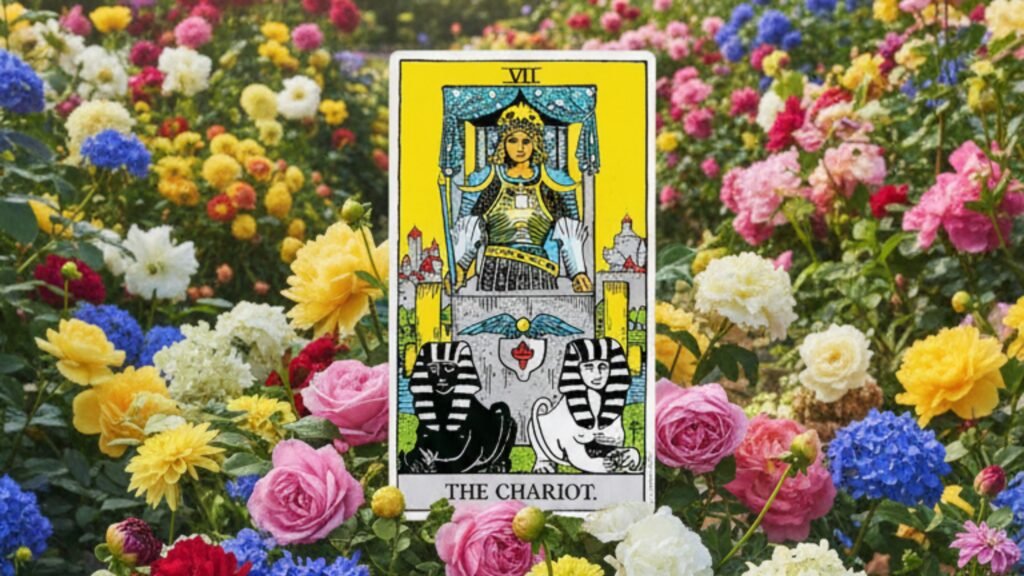
After the choice of The Lovers, The Chariot is where you commit to that path — and start moving. This is not passive movement. It’s intentional, directed, and driven by will.
There may be challenges here. Resistance. Moments where things don’t flow as easily as you hoped. But The Chariot doesn’t wait for perfect conditions — it moves anyway.
This card is about determination.
Staying focused when distractions appear.
Holding your direction when doubts creep in.
Continuing forward, even when the road feels uneven.
But there’s also something deeper beneath the surface. The Chariot often presents inner alignment through tension. Two opposing forces pulling in different directions — fear and confidence, comfort and ambition, doubt and belief.
And your role is not to eliminate one or the other, but to hold the reins. To bring those opposing energies into balance, so they move you forward instead of pulling you apart. This is where self-discipline becomes powerful. Not as restriction, but as commitment to where you are going.
The Chariot asks:
Where are you directing your energy?
What are you choosing to move forward, no matter what?
Because progress doesn’t always come from ease. Sometimes, it comes from your decision to keep going — steady, focused, and fully behind your own path.
Strength (8) — Quiet resilience.
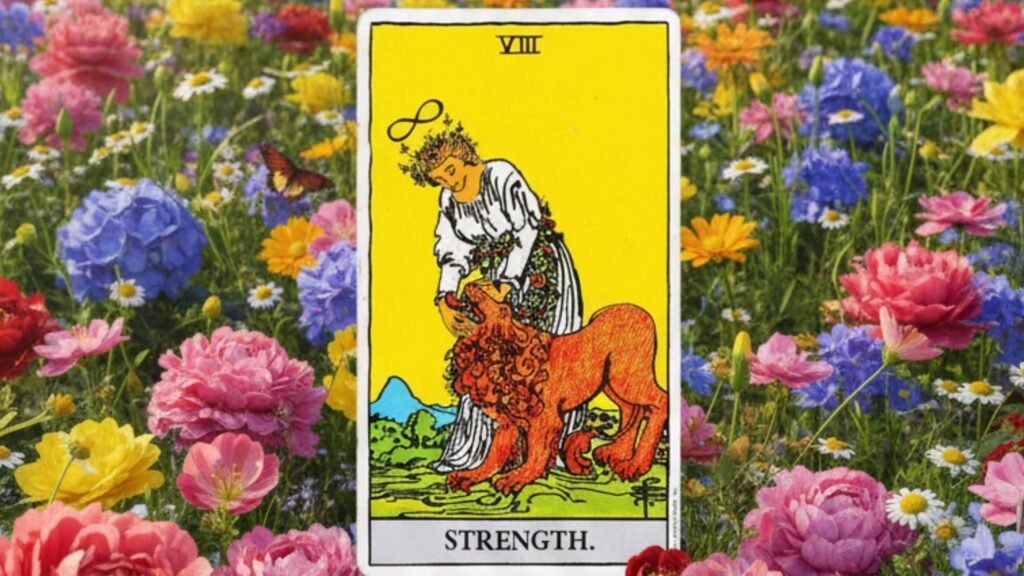
After the outward drive of The Chariot, Strength turns inward. This is not about pushing harder or forcing your way through. It’s about how you hold yourself within the challenge.
Strength speaks to a softer kind of power — one that doesn’t need to prove itself.
Patience instead of pressure.
Compassion instead of criticism.
Steadiness instead of reaction.
It’s the moment you realise that being strong doesn’t always look like “holding it all together.” Sometimes it looks like:
Taking a breath instead of reacting.
Speaking kindly to yourself when things feel difficult.
Allowing emotions to exist without letting them take over.
There is courage here — but it’s quiet.
The courage to stay present.
The courage to keep your heart open.
The courage to meet yourself where you are, rather than where you think you should be.
Strength also invites you to work with your emotions, not against them.
Instead of suppressing fear, you acknowledge it.
Instead of fighting frustration, you soften into understanding.
And in doing so, something shifts. Because true resilience is not built through force — it’s built through the way you support yourself when things are not easy.
This is strength that sustains you, not exhausts you. The kind that grows over time, quietly and steadily from within.
The Hermit (9) — Stepping back to reflect.
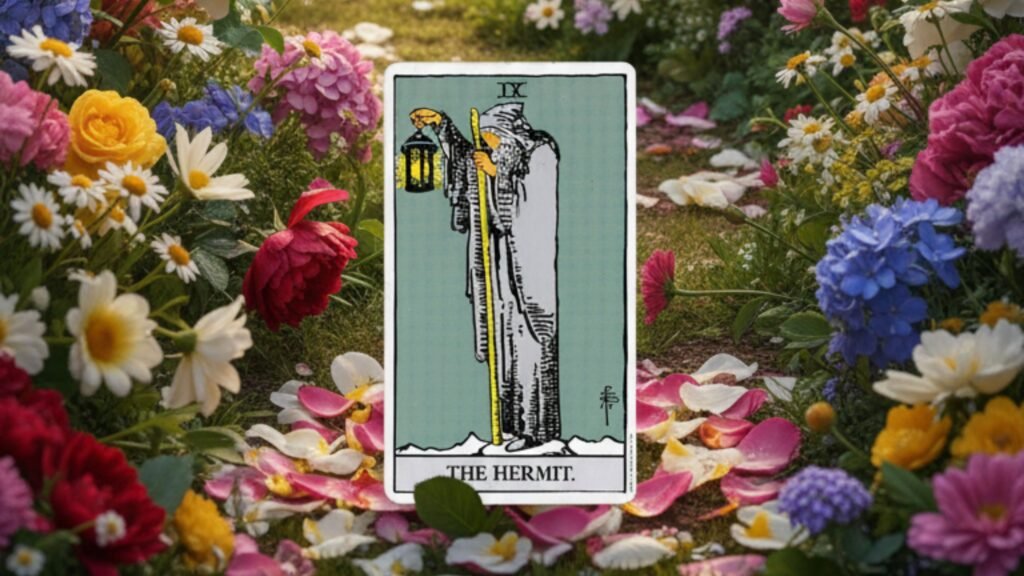
After the inner strength you’ve been building, The Hermit invites you to step away from the noise and turn inward. This is not withdrawal for the sake of isolation — it’s intentional solitude.
A conscious decision to pause, reflect, and create space to truly hear yourself. Because not all answers are found in movement. Some are only found in stillness.
Ther Hermit often appears when something within you is asking for deeper understanding.
You may feel the need to pull back — from people, from distractions, from constant doing — so you can process what you’ve experienced so far.
This is where insight begins to form. Not through external advice, but through your own inner guidance.
There is a quiet wisdom here. A lantern held in the dark — not lighting the entire path, but illuminating just enough for the next step.
The Hermit doesn’t promise full clarity all at once. It teaches you to trust the small moments of understanding as they come. It can also feel unfamiliar, especially if you’re used to seeking answers outside of yourself.
But this stage is about building trust in your own perspective.
Your own path.
Your own pace.
Your own way of seeing the world.
Because sometimes, growth doesn’t look like moving forward. Sometimes, it looks like stepping back — so you can return with deeper clarity and a stronger sense of who you are.
Wheel of Fortune (10) — Change that feels beyond your control.
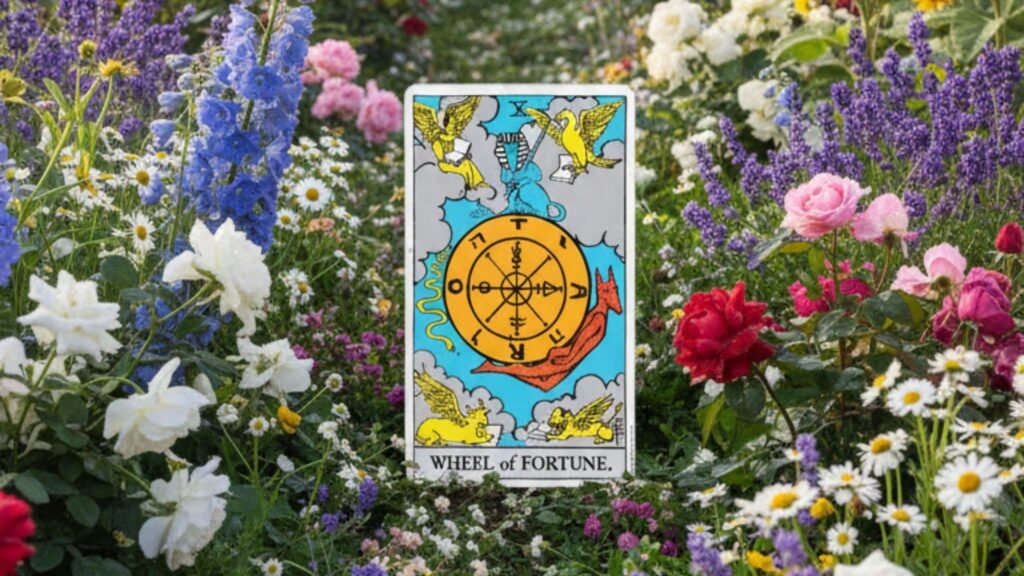
Just as you begin to find your own rhythm, the Wheel turns. This is the moment where life shifts — sometimes suddenly, sometimes subtly — but in ways you didn’t fully plan for.
Circumstances change.
Opportunities appear or disappear.
Things that once felt stable begin to move.
And often, it can feel like it’s happening to you.
The Wheel of Fortune carries the energy of cycles — the understanding that life is always in motion. Highs and lows, beginnings and endings, expansion and contraction.
Nothing stays the same forever.
This card reminds you that not everything can be controlled. There are forces, timing, and shifts that exists beyond your personal will.. And while that can feel unsettling, it also holds a certain kind of freedom.
Because if things can change unexpectedly in challenging ways — they can also change in your favour just as quickly. The invitation here is not to resist the movement, but to adapt to it. To stay present within change, rather than trying to hold onto what is already shifting.
It also asks for trust in a bigger picture. Even if you can’t yet see where this turn is leading, it is part of a larger cycle — one that is moving you somewhere different, somewhere new.
The Wheel doesn’t stop turning. And your power lies in how you move with it.
Justice (11) — Facing truth.
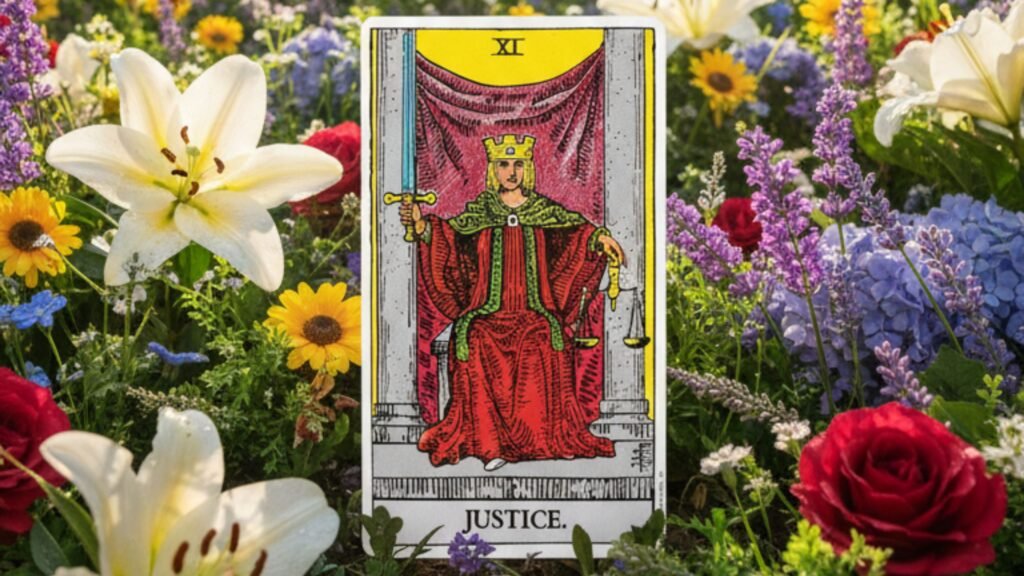
After the shifts of the Wheel of Fortune, Justice brings you back to centre. This is where things become clear — not always comfortable, but honest. Justice is about seeing things as they are, without distortion. Looking at your choices, your actions, and their consequences with clarity and accountability.
There is a grounding energy here. A pause to reflect:
What have my decisions led to?
What feel aligned — and what doesn’t anymore?
This card isn’t about judgement in a harsh sense. It’s about responsibility.
Owning your role in your experiences.
Recognising where you have power.
And understanding that every action creates a ripple — both internally and externally.
Justice also speaks to decision-making. Not reactive or emotion decisions, but ones made from a place of balance, integrity, and truth.
Sometimes this means making difficult choices.
Choosing what is right over what is easy.
Choosing clarity over avoidance.
There is also a deeper layer of realignment.
Letting go of what no longer reflect your values.
Recommitting to what feels honest and fair.
Bringing yourself back into balance after a period of change.
Justice reminds you that your life is not random. There is a relationship between what you choose, what you allow, and what unfolds. And while you cannot control everything — you can always choose to meet your life with honesty, intention, and integrity.
The Season of Surrender
There are times when we are asked to let go — of old beliefs, identities, or attachments. This stage can feel uncertain or even uncomfortable, but it creates space for something new to emerge.
The Hanged Man (12) — Letting go of control.
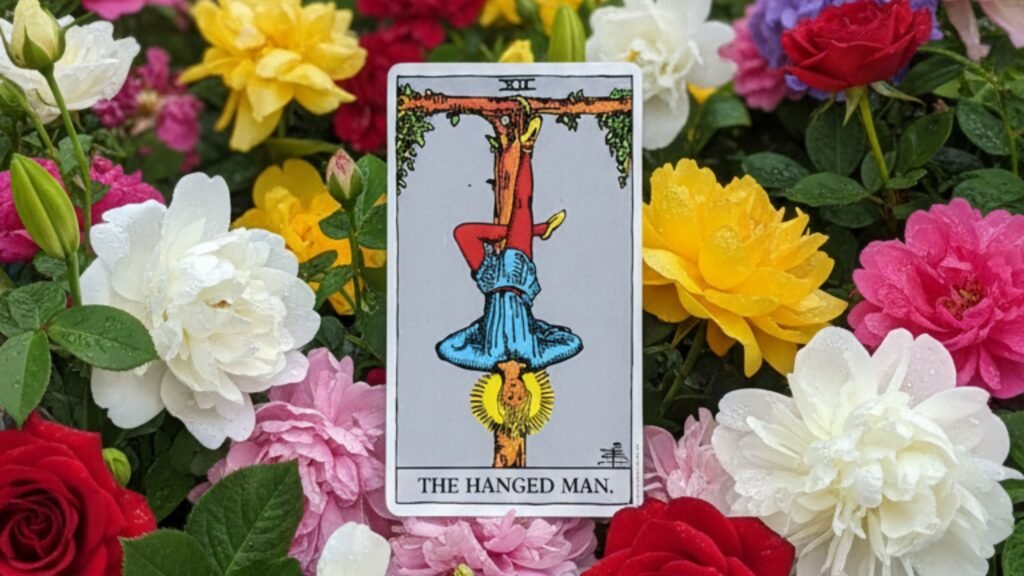
After the clarity of Justice, The Hanged Man shifts everything again — but this time, not through action… through stillness.
This is the moment where pushing forward no longer works. You may feel paused, delayed, or even stuck. Plans don’t move the way you expected. Answers don’t come as quickly. And there can be a strong urge to do something just to regain a sense of control.
But this card asks for the opposite.
To stop.
To release the need to force an outcome.
To allow things to unfold in a way you cannot fully direct.
And that’s where the discomfort often lies. Because The Hanged Man is not just about waiting — it’s about surrendering your usual way of seeing.
Looking at things from a completely different perspective.
Letting go of assumptions.
Questioning what you thought was certain.
This shift doesn’t always feel natural. It can feel like being suspended between what was and what will be — not fully in either place. But within that space, something important happens.
Insight.
A deeper understanding that can only come when you stop trying to control the situation and start observing it differently.
The Hanged Man teaches that not all progress is visible. Sometimes, the most meaningful shifts happen internally — in how you see, think, and understand.
And while it may feel like you are standing still… you are actually in the middle of a profound transformation of perspective.
Death (13) — An ending that clears space.
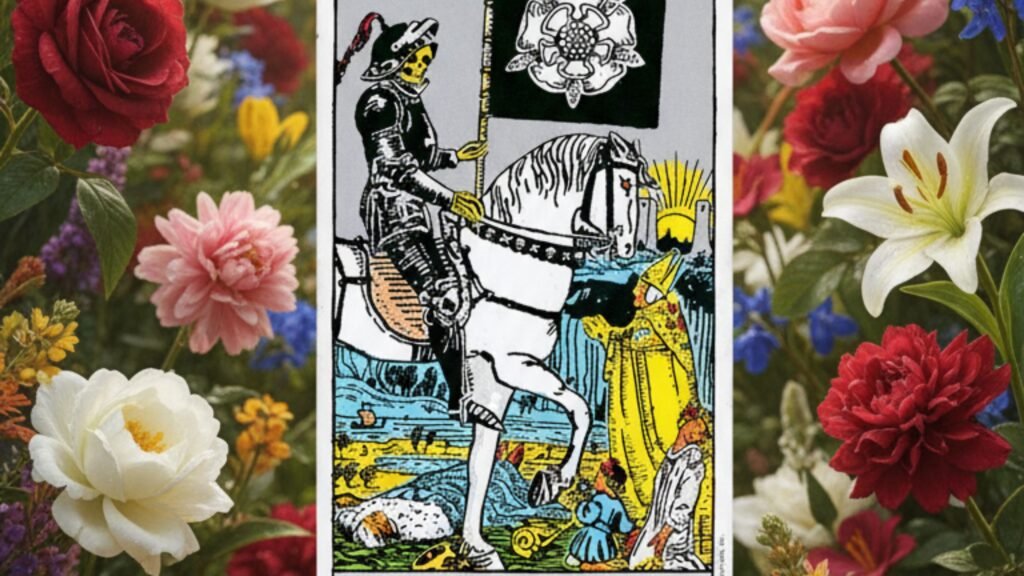
After the pause of The Hanged Man, something becomes undeniable — a chapter is coming to an end. Death in tarot is rarely about literal loss. It speaks to transformation — the kind that asks you to release what you have outgrown, even if part of you still wants to hold on.
This can be an identity, a relationship, a belief, a way of living — anything that no longer aligns with who you are becoming. And often, that is not easy. Because endings carry emotion.
Attachment.
Memory.
Familiarity.
Even when you know something is no longer right, letting go can still feel uncomfortable. But Death is not here to take something away without reason. It arrives when holding on would cost you more than releasing. It creates space.
Space for something new to emerge.
Space for a different version of you to step forward.
Space for life to move again, instead of staying where it has already completed its cycle.
There is also a quiet finality to this card. A sense that once this shift happens, there is no going back to how things were before. And while that can feel intense, it is also what makes transformation real. Because true change doesn’t come from adding more — it comes from allowing something to end.
Death reminds you: You are not losing everything. You are shedding what you no longer need. So that something new — something more aligned — can begin.
Temperance (14) — Finding balance while things are uncertain.
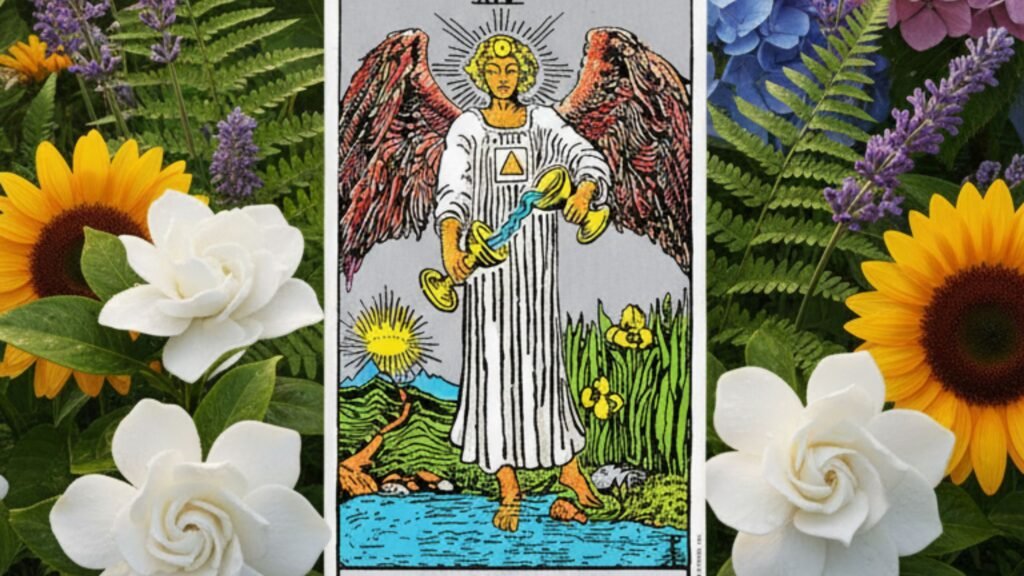
After the intensity of endings and release, Temperance arrives quietly. There is no rush here. No dramatic shift. Just a gentle invitation to stabilise. This is the space where things are still unfolding — not fully clear, not fully resolved — and yet you are learning how to exist within it.
Temperance is about emotional regulation. Not suppressing what you feel, but not letting it overwhelm you either. It’s about holding your emotions with awareness. Responding instead of reacting.
It asks for patience.
The kind that understands healing is not instant.
That clarity doesn’t always come all at once.
That some things take time to settle into place.
Rather than forcing answers or trying to control the outcome, Temperance encourages small, steady adjustments.
A shift in perspective.
A softer approach.
A willingness to meet yourself where you are, instead of where you think you should be.
There is also an element of trust here.
Trusting the process, even when it feels slow.
Trusting that balance is something you create, moment by moment.
Trusting that not everything needs to be figured out right now.
This card is not about perfection. It’s about harmony. Learning how to hold uncertainty without being consumed by it. Finding your centre, even when everything around you still feels in-between. And in that quiet, steady space — healing begins to take root.
The Devil (15) — Recognising what keeps you stuck.
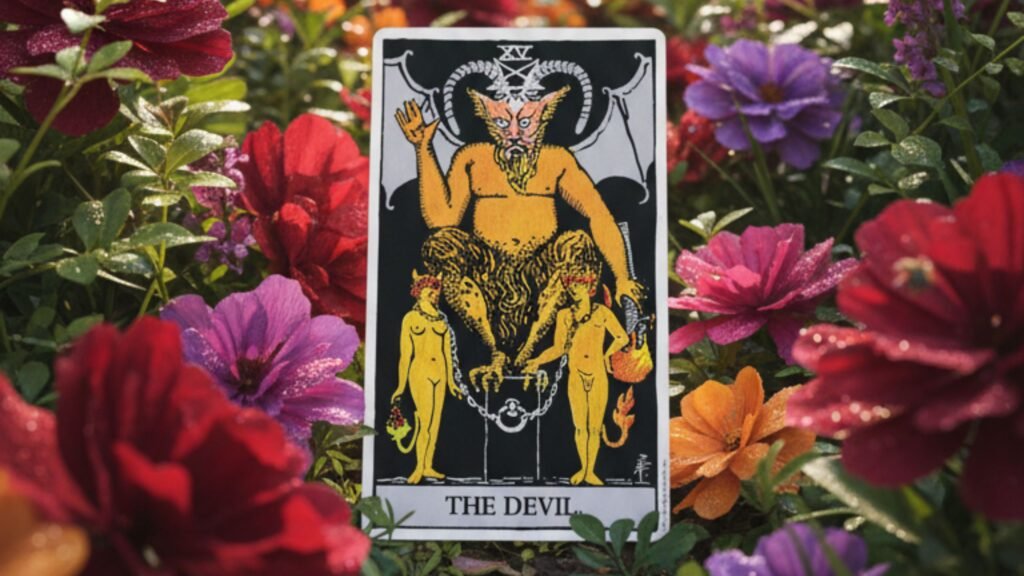
After the balance of Temperance, The Devil brings a more uncomfortable kind of honesty. This card doesn’t appear to punish — it appears to reveal. It shines a light on the patterns, attachments, and fears that quietly shape your choices without you always noticing.
These can look like habits you can’t seem to break.
Thoughts loops you keep returning to.
Relationships, situations, or beliefs that feel hard to step away from, even when part of you knows they’re limiting you.
The key word here is recognition. Because The Devil’s hold is often strongest when it goes unseen or unacknowledged. There is usually a sense of being “stuck” here — but not in a purely external way. More often, it’s internal:
Stuck in fear.
Stuck in comfort that no longer serves you.
Stuck in cycles that feel familiar, even if they are not supportive.
And yet, this card also carries an important truth: What binds you can also be understood.
Once you can see the pattern clearly — without avoidance or denial — something shifts. Awareness creates space. And space creates choice. The Devil is not just about limitation. It is about consciousness of limitation. Because you cannot release what you refuse to see.
This stage asks for courage.
The courage to look honestly at what holds you back.
The courage to admit what you’ve been avoiding.
The courage to acknowledge the parts of yourself that feel uncomfortable.
Not to judge them — but to understand them. And in that understanding, the first thread of freedom begins to form.
The Tower (16) — Sudden change.
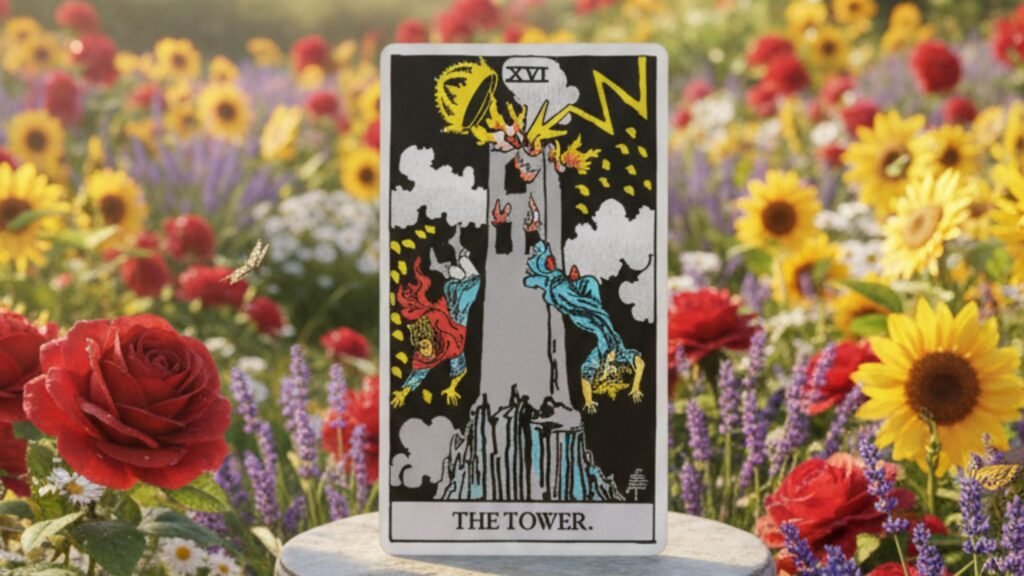
After The Devil reveals what binds you, The Tower is what happens when those structures can no longer hold. This is not a gentle shift. It is a disruption.
Something breaks open — often unexpectedly — and what you assumed was stable begins to fall away. Plans, beliefs, identities, situations… anything built on shaky ground is brought into question.
And in that moment, it can feel overwhelming. Because The Tower doesn’t ask for permission. It doesn’t ease you in slowly. It arrives and changes things.
But beneath the intensity, there is a deeper truth: What is not aligned cannot remain the same forever.
The Tower clears what has become unsustainable. It removes what has been held together by avoidance, illusion, or denial — even if it once felt safe.
There is a kind of honesty in this collapse. Because once the structure falls, you can finally see what was real and what was not. What was supporting you, and what was only appearing to.
In that sense, The Tower is not only destruction — it is revelation. It strips things back to their core. And while that process can feel disorienting, it also creates something essential: Space for truth to emerge.
Because sometimes, clarity doesn’t come through gentle understanding — it comes through the breaking of what could no longer stand. And in that breaking, something more honest has the chance to begin.
The Season of Renewal
After the challenges and release, clarity begins to return. We reconnect with hope, purpose, and a sense of alignment. There is a feeling of lightness here — as if we are seeing life with fresh eyes.
The Star (17) — Hope returns.
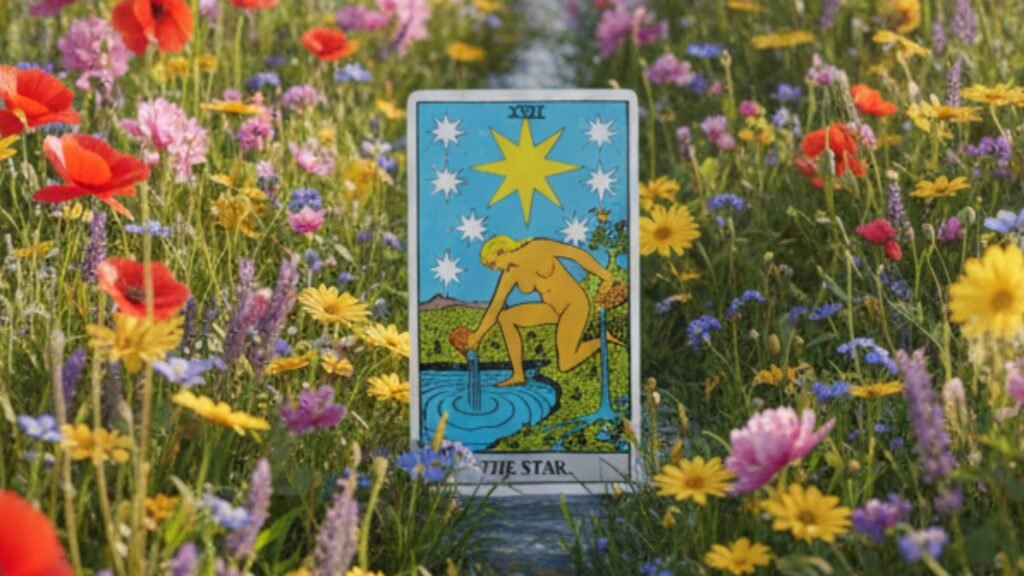
After the intensity of The Tower, The Star feels like a long exhale. This is the moment when the dust begins to settle, and you can finally breathe again. There is stillness here — not emptiness, but peace after disruption.
The Star doesn’t rush you into action. Instead, it gently restores your sense of trust in life, in yourself, and in what comes next.
It’s not loud hope. It’s quiet. The kind that appears slowly, almost unexpectedly, after a period where things felt uncertain or broken. A soft feeling that maybe — even after everything — things are still unfolding in the right direction.
This card often brings a sense of emotional healing. Not because everything is immediately resolve, but because something within you begins to soften again.
You start to believe again.
To open again.
To imagine again.
There is also a return to simplicity here.
Less force.
Less resistance.
More flow.
You are reminded that you don’t have to have everything figured out in order to move forward. You just need to stay connected to what feels true in the present moment.
The Star is also deeply personal. It reconnects you with your inner guidance — the part of you that still believes in possibility, even after disappointment or change.
It says:
You are not lost.
You are not behind.
You are simply in the process of realigning.
And slowly, gently, hope returns — not as something you chase, but as something that finds you again.
The Moon (18) — Moving through uncertainty with intuition.
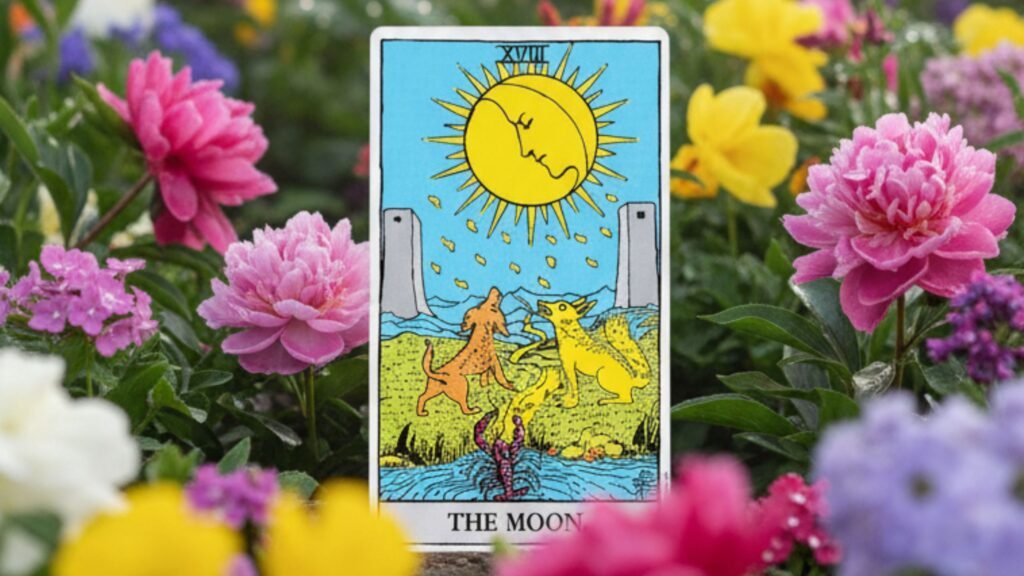
After the quiet hope of The Star, The Moon brings you into a more mysterious space. This is where things are not fully clear yet. There may be confusion, mixed signals, or moments where you are unsure what is real and what is projection. The path ahead feels less defined, and certainty is not easily available.
And yet, you are still moving.
The Moon is not about having clarity — it’s about learning how to navigate without it. This is where intuition becomes essential. Instead of relying on logic alone, you begin to pay attention to subtler signals: feelings, instincts, emotional responses, inner nudges that don’t always have immediate explanation.
It can feel unsettling at times. Because uncertainty naturally brings questions. Doubt. Overthinking. The temptation to seek quick answers or external validation.
But The Moon asks you to stay with it a little longer. To allow the unknown to be present without rushing to resolve it. There is also a deeper process happening here — one of inner honesty.
The Moon can surface fears, illusions, or emotional patterns that were previously hidden. Not to overwhelm you, but to bring awareness to what needs to be understood more clearly.
This is not a linear path. It’s more like moving through fog — slowly, carefully, learning to trust your own internal compass step by step.
And over time, something begins to shift. You realise you don’t need full clarity to keep going. You only need enough trust in yourself to take the next step — even in the dark.
The Sun (19) — Clarity, warmth, and joy.
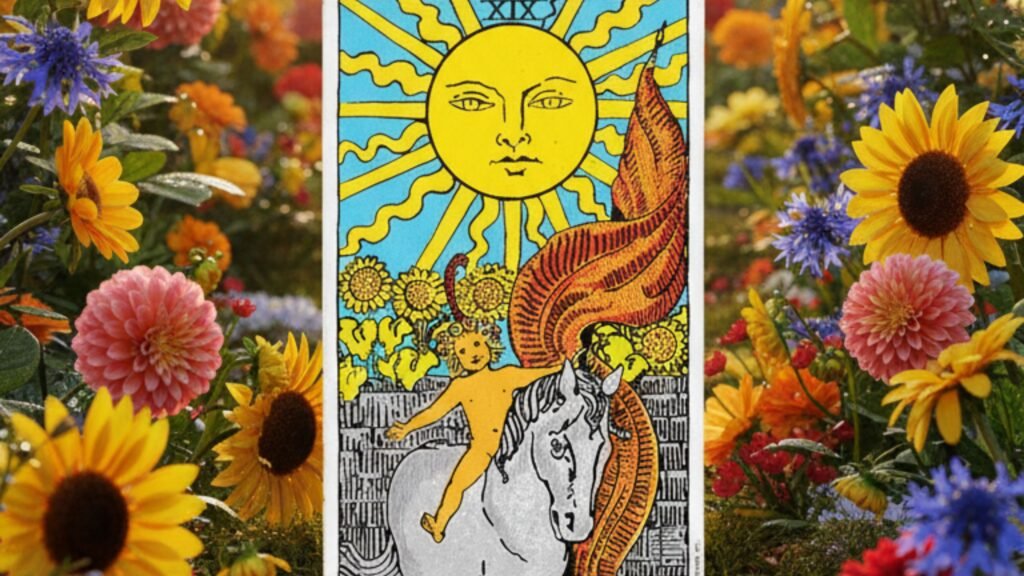
After moving through the uncertainty of The Moon, The Sun feels like stepping out into open light again. There is no guessing here. No fog. No hidden layers asking to be decoded.
What you see is what is here. This is a return to clarity — not just mentally, but emotionally too. Things feel simpler, lighter, more direct. There is a sense of ease in how you relate to yourself and the world around you.
The Sun brings warmth. Not just in a comforting sense, but in a way that reconnects you with life itself — with presence, vitality, and openness.
You may notice yourself feeling more grounded in the present moment, less pulled into worry about what was or what might be.
There is also a feeling of honesty here. You are not hidden from yourself. You are not questioning everything. There is a natural openness in how you move through experiences.
Joy becomes more accessible again — not because everything is perfect, but because something within you has reconnected to simplicity.
This card often reflects a period where things begin to feel aligned in a more visible way. Clarity returns. Energy lifts. And there is a sense that you can finally see your path again, without distortion or doubt clouding it.
The Sun is also a reminder of your own inner light. The part of you that remains steady even after confusion, change, or uncertainty. The part that still knows how to be open, curious, and alive to experience.
And in that light, you remember:
It is safe to be present.
It is safe to be seen.
It is safe to enjoy where you are, right now.
The Season of Integration
This is where everything comes together. We begin to understand the journey we’ve been on and how it has shaped us. There is a sense of completion — not as an ending, but as a moment of wholeness.
Judgement (20) — A wake-up call.
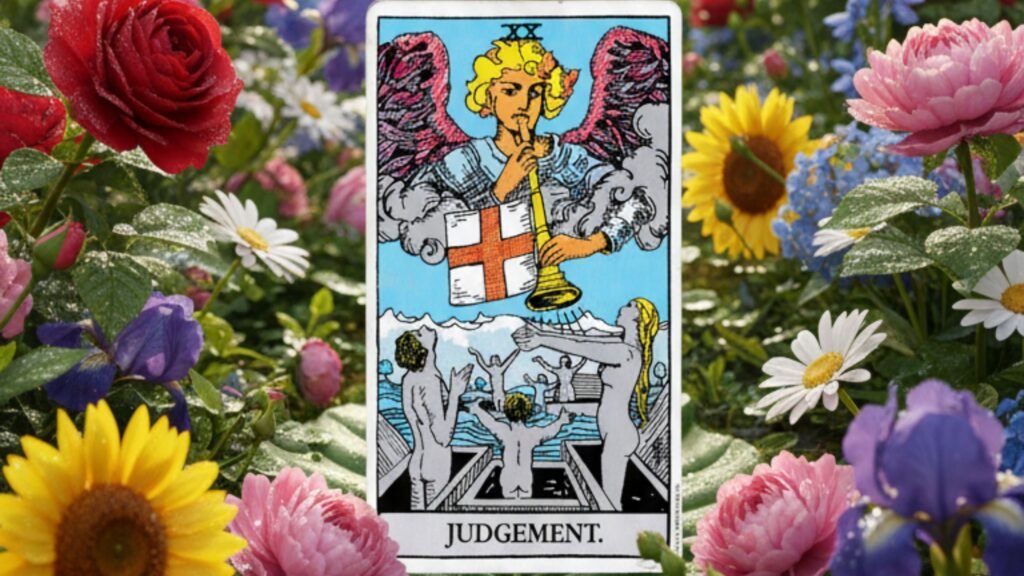
After the clarity and lightness of The Sun, Judgement arrives with something deeper: awareness. This is the moment where the journey starts to make sense in a new way.
Not just what happened — but why it mattered.
There is a sense of rising above the past here. Looking back, not with regret or attachment, but with understanding. You begin to see the patterns that have shaped you, the choices that have led you here, and the ways you have change along the way.
Judgement is often describes as a “wake-up call,” but it’s not about alarm or urgency. It’s more like recognition.
A moment of inner clarity where something clicks into place. You realise you are no longer who you were at the beginning of the journey.
There is growth here. Integration. Perspective. Old versions of yourself are not judged — they are acknowledged. Understood as necessary parts of your evolution.
This card can also bring a sense of calling. A feeling that something within you is asking to be expressed more fully now. A truth that can no longer be ignored. A direction that feels aligned with who you are becoming, not who you were before.
And with that awareness comes a choice.
To step forward more consciously.
To live more aligned with what you now understand.
To answer the inner call that has been forming quietly within you.
Judgement is not an ending. It is a moment of awakening — where you finally see your journey clearly enough to move forward differently.
The World (21) — Completion and wholeness.
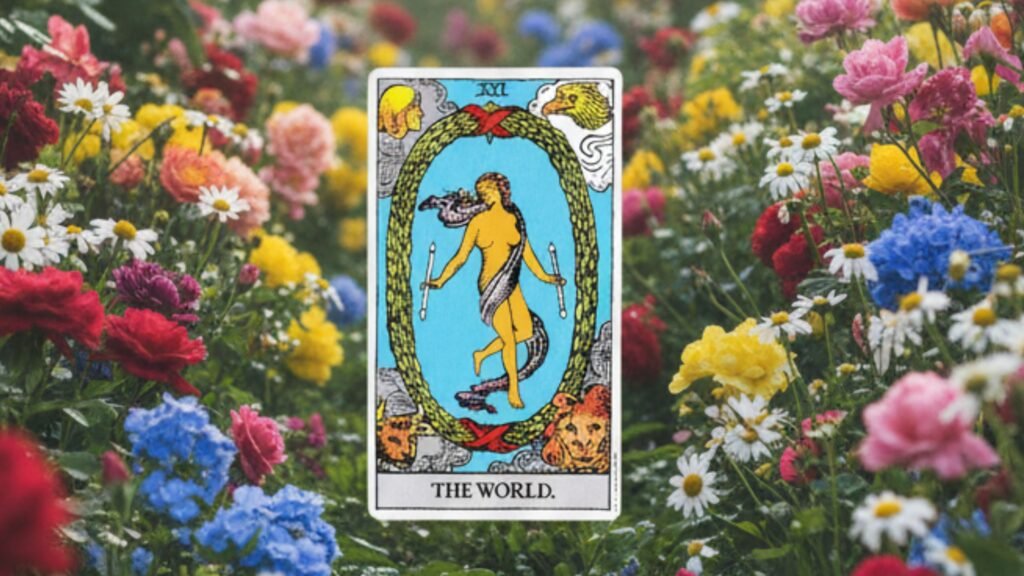
After the awakening of Judgement, The World arrives as a sense of arrival — but not in a final, closed-off way. It is completion, yes… but more accurately, it is integration.
This is the moment where everything you’ve moved through in the journey begins to come together. The beginnings, the challenges, the letting go, the breakthroughs, the uncertainty, the clarity — all of it starts to make sense as part of a larger whole.
Not separate experiences anymore, but one continuous story of becoming.
There is a feeling of fulfilment here. Not because everything has been perfect, but because everything has contributed to who you are now.
The World carries a sense of inner alignment. You are more aware of yourself, more grounded in your experience, and more able to see how far you’ve come.
It can feel like a full circle moment — as if something important has been completed within you. But The World is not a final ending. It is a point of arrival that naturally becomes a new beginning.
Because completion does not means stopping. It means integration.
Taking everything you’ve learned, lived, and transformed — and carrying it forward into the next cycle with more awareness, more depth, and more understanding than before.
There is also a quiet confidence here.
A sense of belonging in your own life.
A sense of being more fully yourself.
A sense of that you are no longer searching in the same way — because something within you has settled.
The World reminds you:
You have moved through the journey.
You have become more whole through it.
And even now, life continues — but from a more integrated place within you.
And then… a new season begins.
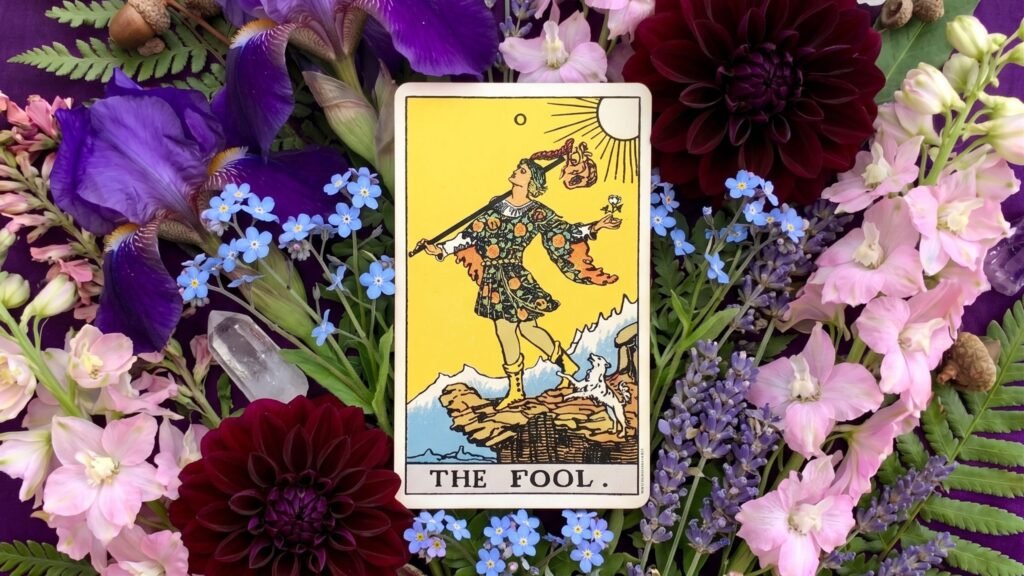
Because just like The Fool’s Journey, life is not linear. It doesn’t move in a straight line from start to finish — it moves in cycles, spirals, and returns.
Each ending naturally becomes a new beginning.
Not as a reset. Not as going back to zero. But as something more layered than that — a continuation shaped by everything you’ve already lived through.
This is where The Fool appears again. But it is never the same Fool who first stepped off the edge. This Fool carries memory, experience, and awareness now. The lessons of The Magician’s action, The High Priestess’s intuition, The Tower’s disruption, and The World’s integration.
And yet, even with all of that, there is still openness. Still curiosity. Still willingness to begin again without needing full certainty.
This is the quiet beauty of the cycle. You don’t arrive at a final version of yourself. You become someone who is more aware each time you return to the beginning.
So, when a new season starts, it’s not a repetition. It’s evolution.
A deeper layer of the same journey. A different level of understanding. A new chapter written by someone who now knows more than they did before — even if they can’t always name exactly what has changed.
And so, you begin again.
Not from the same place.
But from within a story that has already begun to shape you.
Author

urai@live.co.uk
The Fool (0): Beginnings, Freedom, and the Leap of Faith
- 0
- 1,950 word
The Fool is where every tarot journey begins. Numbered 0 in the Major Arcana, The Fool does not belong to a fixed...
Read out all
Tarot Cards That Indicate Change and Transformation
- 0
- 3,602 words
Life rarely changes in a single dramatic moments. More often, it shifts gradually — through small decisions, quiet realisation, or subtle turning...
The Four Queens of Tarot and Their Strengths
- 0
- 2,000 words
In tarot, the Queens embody mature and developed energy. They represent a stage of understanding that comes from experience — wisdom that...